

thumbnail image
  • HOME
  • FRAMEWORK
  • OFFERINGS
  • INTERIM LEADERSHIP
  • CASE STUDIES
  • ABOUT
  • …  
    • HOME
    • FRAMEWORK
    • OFFERINGS
    • INTERIM LEADERSHIP
    • CASE STUDIES
    • ABOUT
  • HOME
  • FRAMEWORK
  • OFFERINGS
  • INTERIM LEADERSHIP
  • CASE STUDIES
  • ABOUT
  • …  
    • HOME
    • FRAMEWORK
    • OFFERINGS
    • INTERIM LEADERSHIP
    • CASE STUDIES
    • ABOUT
  • How Strategy Actually Reaches the Front Line

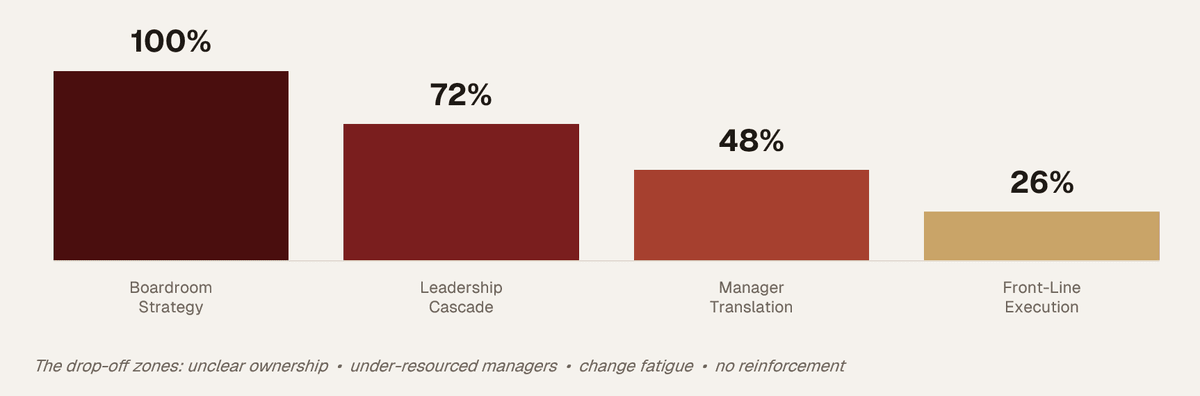
  • Most transformations don't fail on strategy. They fail on the way down.

    A board can align on a five-year plan in a single offsite. Getting that plan to survive contact with a front-line team eighteen months later — still recognizable, still resourced, still the thing people actually do — is a different problem.

    I call the gap between those two moments Strategy Leakage, and it's the problem every engagement I run is built to close.
  • Why It Happens

    Leakage happens at six specific, identifiable points - not randomly.
    Section image

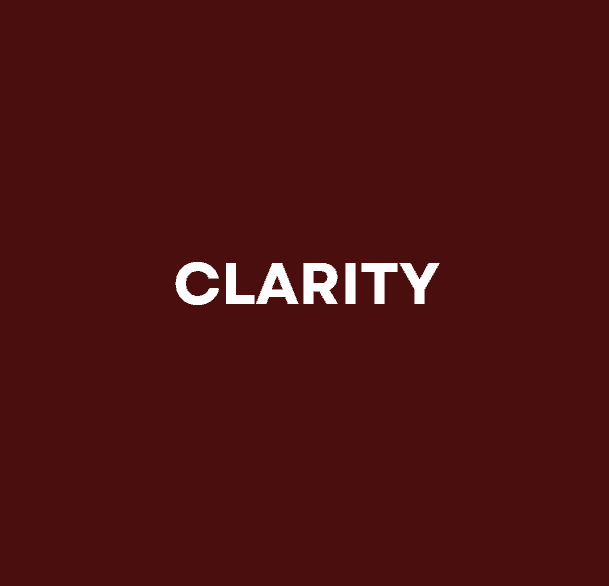
    Whether the strategy is articulated in terms a manager three levels down could restate correctly.

    Section image

    Whether priorities translate into team- and role-level objectives.
    Section image

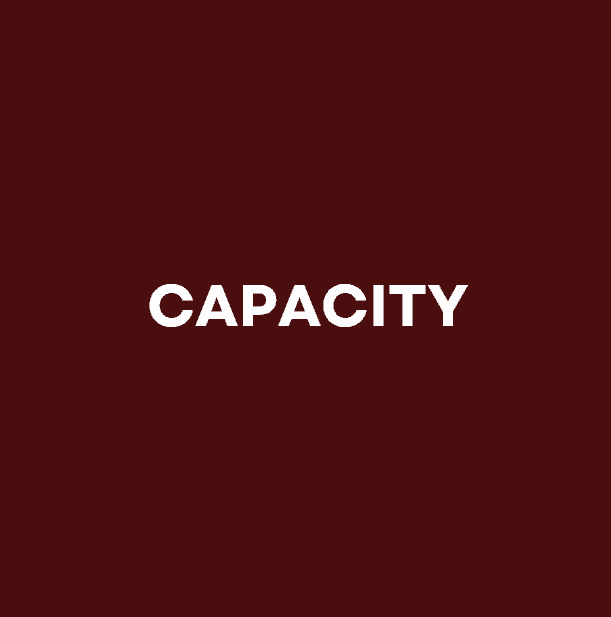
    Whether people have the time and resourcing to do the new work on top of the old.
    Section image

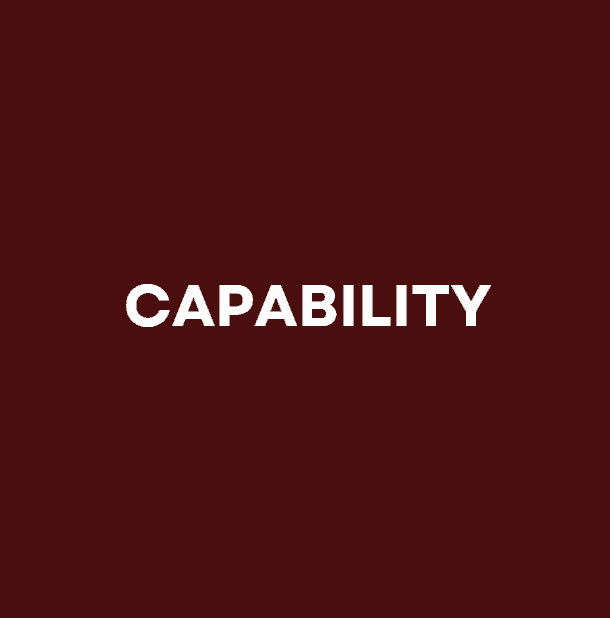
    Whether people have the skills and tools to execute, not just the intent.

    Section image

    Whether the informal norms reward the new behavior or the old one.
    Section image

    Whether anyone's performance metrics actually move if the strategy fails.

  • Predictable. Measurable. Preventable.

  • How I Measure It

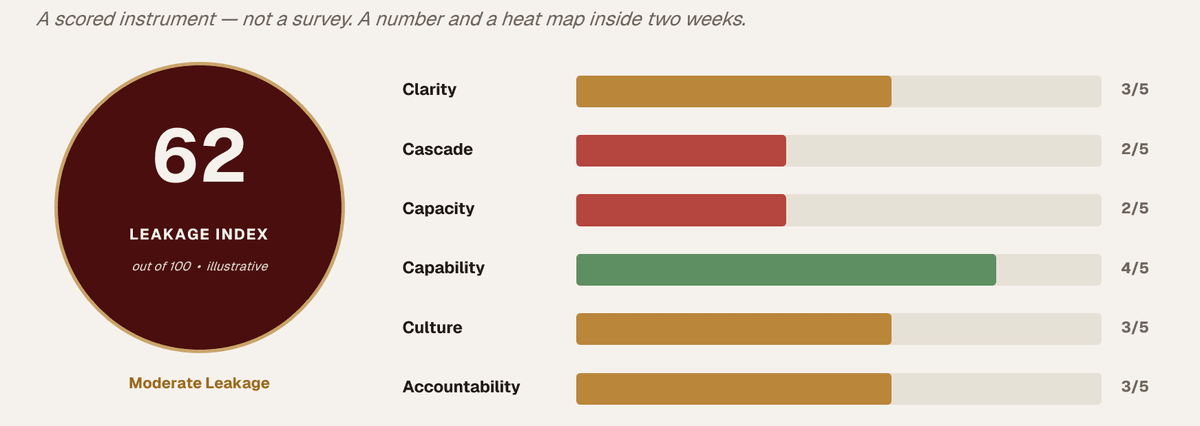
    The Strategy Leakage Diagnostic™

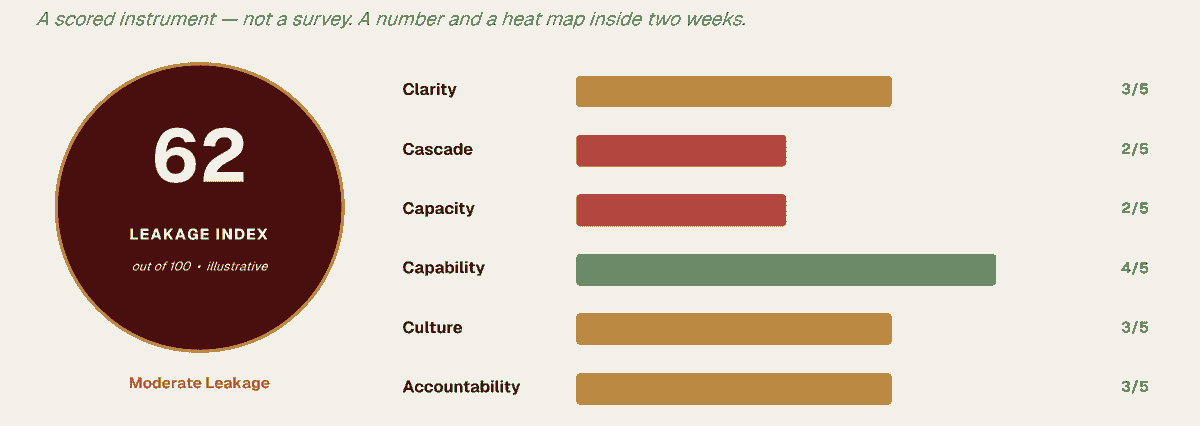
    A scored instrument, not a survey — a number and a heat map inside two weeks, built from structured leadership interviews, a pulse survey, and a review of what's actually in the room (strategy decks, org charts, current project plans) versus what people say out loud.
    Section image

    You get the Leakage Index and the six-dimension heat map before you commit to anything beyond the diagnostic itself.
  • The Framework

    A Five-Phase Architecture

    Every engagement, whether it's a focused interim placement or an 18-month enterprise transformation, runs through the same five phases. What scales is depth, not sequence.

    *A decision gate sits between each phase — nothing moves forward on momentum alone.*

    1

    Diagnose

    Establish ground truth on strategy, operating model, and organizational readiness.

    2

    Align

    Convert diagnosis into a resourced, sponsored strategic roadmap.

    3

    Design

    Architect the operating model, systems, and workflows that deliver the roadmap.

    4

    Execute

    Deliver the roadmap with change leadership running as an integrated part of delivery, not a parallel track.

    5

    Embed

    Lock in the new behaviors as the norm, and scale what works.

  • The Differentiator

    Change Leadership Is Embedded, Not Bolted On

    Change management run as a late-stage workstream is the single biggest cause of leakage. In a traditional model, change management starts once design is locked — usually somewhere around Execute. In mine, it runs continuously from Diagnose through Embed.

    Change management is the toolkit — the plans, the assessments, the communications cadence. Change leadership is the discipline of actually using it to move people. Sponsor coaching starts in Diagnose, not at kickoff.

  • How I Operate

    Five Non-Negotiables

    What you can expect from me on day one, regardless of engagement type.

    Operating Model Before Org Chart

    Reorganizing reporting lines feels like progress and rarely changes anything. I redesign how work actually flows before I touch the org chart.

    Change Leadership Is Embedded, Not Bolted On

    Present at the diagnostic stage, not a workstream that starts after design is locked.

    Sponsors Get Coached, Not Just Briefed

    Active, visible, sustained sponsorship is the single biggest predictor of whether a transformation sticks.

    Momentum Over Perfection

    A 70% solution shipped and iterated beats a 100% solution stuck in committee.

    Value Is Tracked Every Phase - Not Just At The End

    Every phase has its own leading indicator, so an off-track signal is something to act on, not a post-mortem finding.

  • Getting Started

    What Engaging Me Looks Like

    A concrete first step, not a vague exploratory partnership - the same three stages regardless of company size, though depth and duration scale to fit.

    1. Diagnostic: Leadership interviews, pulse surveys, document review
    2. Readout: Leakage Index score and six-dimension heat map delivered to the sponsor
    3. 90-Day Plan: Prioritized intervention plan, scoped and sequenced to the organization's actual scale.

    The diagnostic itself is a deliverable. You get real output even if the engagement goes no further.

    What happens after the 90-day plan depends on what the organization needs. On some engagements, I execute it myself, staying on as embedded fractional or interim leadership through Align, Design, Execute, and Embed. On others, I hand off a scoped roadmap for your team to run. Both are the same framework — what changes is who's driving after day 90.

  • Where would a Strategy Leakage Diagnostic tell you the most right now?

    Apply for a Strategic Audit

Copyright 2026

    Cookie Use
    We use cookies to ensure a smooth browsing experience. By continuing we assume you accept the use of cookies.
    Learn More